
"Efficiency" isn't that important to God
As a software engineer, it's my job to find the optimal way to do things. I'm constantly looking for the most efficient method to sort a list, store stuff in a database, and speed up a program. And once my brain is set to "optimization mode," it's hard to turn it off. For example, recently, as I waited for a temple session to start, I found myself mentally inventing ways to increase the throughput of proxy ordinance work. I came up with a way we could do ten times the number of names per endowment session with just a few minor tweaks and no degradation of the experience. But the Spirit interrupted my silent design session with a gentle rebuke: "This is the Temple. Look around. What gave you the idea that 'efficiency' is what's most important here?" As I pondered this experience later, many stories and insights from ancient and latter-day scripture flooded my mind. What did I learn? That by mortal standards, God operates very inefficiently, because He's working with a completely different set of priorities. Here are several seeming "inefficiencies" I'm grateful for.

Nephi's "burning love"
It's amazing how much we can learn from a story the second time it's told. Details and viewpoints you missed entirely the first go-round tend to come out in subsequent tellings (like Joseph Smith's First Vision). You may not have caught it, but this month in Come, Follow Me, we're reading one such re-telling that teaches us some important truths about love-- what it is and what it isn't. Perfect for Valentine's Day.
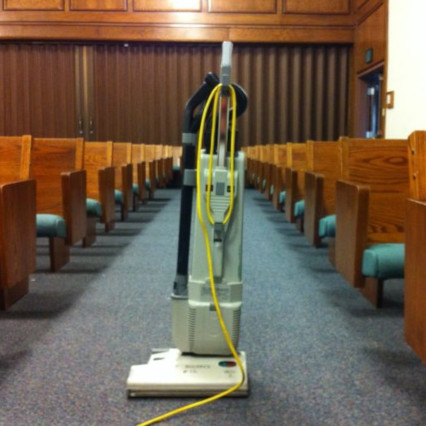
You're not ready for Zion if you won't even clean the building
On June 5, 1976, Idaho's Teton Dam broke, sending a massive wall of water fifteen feet high over the valley below. The 80 million gallons of water that rushed over Sugar City and Rexburg carried away houses, demolished businesses, and covered the whole community in a thick layer of rancid muck. Pres. Henry B. Eyring, then president of Ricks College (now BYU-I) noticed that some individuals went to work and became heroes to their fellow men, while others ran from every opportunity to serve, betraying their wards, quorums, and even their own family members to the disaster. Being an analytical businessman, Pres. Eyring performed "a small but scientifically significant study" into why some people rose up while others ran away. What he found was very interesting

What if I don't want to be resurrected?
I've recently been impressed to study the teachings and biographies of the First Presidency. My respect, love, and admiration for these men grow deeper with every chapter. It has been a powerful, revelatory experience, and I've also learned more about doctrine and Church history. For example, President Nelson's biography relates how his grandfather received a visitation from his late father from beyond the veil and recorded the interview.

30 years and I'm just now learning this?
I have a confession to make. Most people don't know this about me, but I sometimes—even often—get bored at church and zone out. Shocker, I know. But it's not often that we learn something new about the core of the Gospel, right? Don't get me wrong, the principles of the Gospel never stop being interesting and wonderful, but sometime after the 40th lesson on a subject, it starts to feel just a little stale. That's why I get really excited when I do learn something new about the principles of the Gospel.

Contention and the spirit of contention
The best period of Nephite history, hands-down, is the few hundred years after Christ visited them. Mormon records this idyllic point in their history in 4 Nephi, saying:There were no envyings, nor strifes, nor tumults, nor whoredoms, nor lyings, nor murders, nor any manner of lasciviousness; and surely there could not be a happier people among all the people who had been created by the hand of God. There were no robbers, nor murderers, neither were there Lamanites, nor any manner of -ites; but they were in one, the children of Christ, and heirs to the kingdom of God. And how blessed were they! For the Lord did bless them in all their doings.What a utopia! If you want a preview of life during Christ's millennial reign, read 4 Nephi. From 3 Nephi 11 until the final destruction, it seems life for the Nephites was, for once, perfectly beautiful, peaceful, and calm. Except for that one part.

Heaven and Hevel
My first son was born during a very busy time in our lives. I was working full-time, attending college full-time, and serving as a counselor in a branch presidency. It was a rough period of early mornings and late nights. Sometimes, I didn't see my baby boy awake for several days at a time. For his first birthday, my wife created a video of the moments she had captured and set it to music. Let me say upfront, I am not a crier; it drives my wife nuts. But I cried when I watched that video. So many firsts. So many moments when heaven touched earth. And I wasn't there for much of it. Those moments would never come again—not in that way, not with that child, not at that time. They were gone forever.

I have faith, but I don't feel it
I've been less frequent in my blogging this past year. A large part of this has been a shift in my spare time to launching the Conference Talk Podcast (if you haven't given it a listen yet, check it out)! Meg, one of my co-hosts, ran yesterday's episode. She discussed Elder Hugo Montoya's talk, "The Eternal Principle of Love." In that talk, Elder Montoya says, "Jesus walked with no fear and with no doubt to Gethsemane, trusting in His Father." Meg surprised me by pushing back on the wording of that line. Fear is a natural emotion and part of the human experience. Surely Christ must have felt some amount of nervousness at that moment? Can't we have fear and faith?

Flimsy Philosophies
We have observed a new religion seeping into the membership of the Church over the past decade. This religion is a deconstructed imitation of the Gospel of Jesus Christ. It copies the culture, vocabulary, and standard works of the Gospel, but waters down (and sometimes rejects outright) the foundational truths of the Gospel. If the Gospel is the healthy cows of Pharaoh's dream, then this alternate religion is the sickly cows-- hollowed-out shells of the real deal. And like the emaciated kine of Pharaoh's dream, this skeleton gospel devours and destroys healthy testimonies of the true Gospel it imitates.

What's up with Jesus's hands?
We have three kids ages 6 and under. Time out as a couple is rare and fleeting. Movie theaters are virtually out of the question. But when the first two episodes of The Chosen hit the box office last month, my wife and I made sure to go. I loved it. Watching those episodes was a wonderful experience. Until I ruined it. Spoilers ahead, you've been warned.