Showing Posts From
Priorities
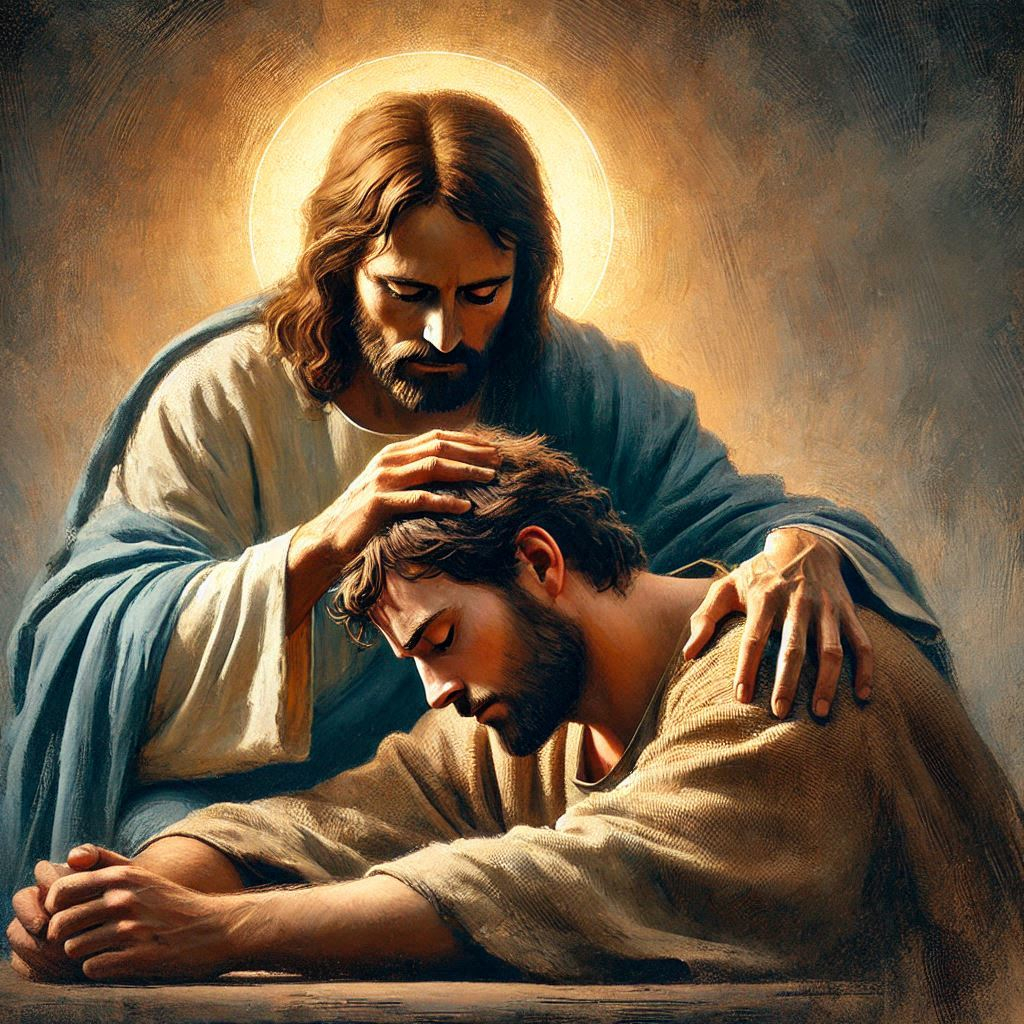
More holiness give me... even if I'm not sure I want it
Last week, I had the privilege of working a baptismal session in the Temple with our wonderful Spanish branch-- most of them recent converts doing this work for the first time. They were untrained and nervous, so there were many do-overs. As I watched these humble brethren intently struggle through the ordinance, I thought back to my own first time doing baptisms for the dead, and how I managed to fumble things in my own unique way. When I was twelve, only endowed Melchizedek Priesthood holders could perform the ordinances, so the responsibility for all the baptisms often fell on a single young men's leader for the entire session. I could see this good brother's arms growing tired, so when it was my turn to be baptized, I tried to lighten his load by leaning myself into and out of the water. I guess I overdid it. After just two names, he laughed and said, "Matthew, you're trying to baptize yourself; that's not how this works. Just let go a bit and let me do the work. I've got you." I didn't know how important those words would become to me later in life.
Why our resolutions fail
I'm writing this post from the cafe of the YMCA (I come here regularly, but I'm no gym rat-- I drop the kids at the daycare while I work). Right now, this place is absolutely packed! I shouldn't be surprised-- it always fills up during the first month of the year as people try to meet their resolution to lose weight and get in shape. I looked it up just now-- the word "resolution" only occurs once in the entire Book of Mormon. Alma 47 tells of a group of people "fixed in their minds with a determined resolution" to break out of a rut and make some wonderful changes in their way of living. How did their resolution go? They started very strong. Then old temptations started to wear them down a bit. Then they started to cheat and compromise. And within a few weeks, they were right back where they started. Sound familiar?
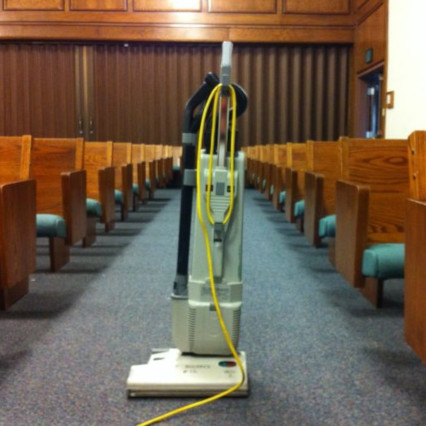
You're not ready for Zion if you won't even clean the building
On June 5, 1976, Idaho's Teton Dam broke, sending a massive wall of water fifteen feet high over the valley below. The 80 million gallons of water that rushed over Sugar City and Rexburg carried away houses, demolished businesses, and covered the whole community in a thick layer of rancid muck. Pres. Henry B. Eyring, then president of Ricks College (now BYU-I) noticed that some individuals went to work and became heroes to their fellow men, while others ran from every opportunity to serve, betraying their wards, quorums, and even their own family members to the disaster. Being an analytical businessman, Pres. Eyring performed "a small but scientifically significant study" into why some people rose up while others ran away. What he found was very interesting
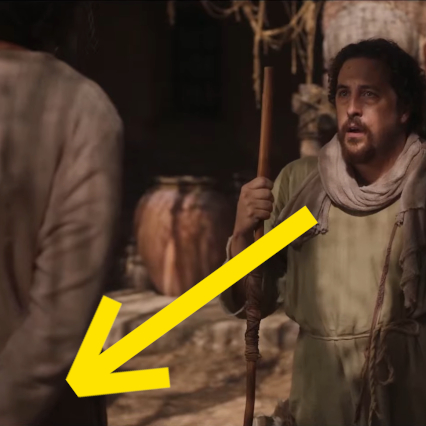
What's up with Jesus's hands?
We have three kids ages 6 and under. Time out as a couple is rare and fleeting. Movie theaters are virtually out of the question. But when the first two episodes of The Chosen hit the box office last month, my wife and I made sure to go. I loved it. Watching those episodes was a wonderful experience. Until I ruined it. Spoilers ahead, you've been warned.

Sacrificing cities
Amalickiah's first military campaign against the Nephites failed miserably. The Lamanites approached Ammonihah but found it too heavily fortified to attempt an attack, and they withdrew. The army's pride was smarting from that previous retreat, so they swore an oath to take the next city or die trying. But the next city was even more heavily fortified than the first. So, they went the "die trying" route. A thousand Lamanites perished in that battle, but every Nephite soldier survived. While the Lamanites were reeling from that stunning defeat, Moroni continued preparing the Nephites for the next wave. By the time Amalickiah launched his next assault, all major Nephite cities had been turned into the Ancient American equivalent of Fort Knox. There was no way the Lamanites could win. Except that when the next wave arrived, none of Moroni's preparations mattered because there was no one manning the forts. When Amalickiah attacked, Moroni and his entire army were missing.

Missionary work: getting in "the zone"
I pointed out in my previous post that the Lord and His servants have made it clear that when it comes to encouraging member missionary work, we need go beyond gimmicks and corporate management tactics. The Gospel of Jesus Christ doesn't need salesmen. Motivating members to occasionally perform missionary actions is not enough. God wants us to become missionaries in our hearts. We don't need a new program-- we need a new perspective. So... how do we do that? How do we turn missionary work from an activity we do to a lifestyle we live? It all starts with getting "in the zone."

Every member a... salesman?
What is the number one complaint among full-time missionaries? Zealous missionaries everywhere are disappointed that members are not inviting their non-member friends to hear the message of the Gospel. They are frustrated with good reason-- members generally are not doing our part to live our covenant to "stand as witnesses of God at all times and in all things and in all places." Investigators, less-actives, and even the random people missionaries talk to at doorsteps are far more likely to refer them to a neighbor or friend than the active members of the Church are. Those who know the most about the Gospel and have experienced its blessings firsthand in their lives are usually the most reluctant to suggest that it be shared with others they know and love. So... what should we do about this lack of member participation? For starters, when it comes to member missionary work, we don't need a new program-- we need a new perspective.

Letting God Prevail over Politics
An online forum asked Church members if the Church endorsed Republicans or Democrats. One member's highly-voted answer essentially said:The Church stays out of politics. But when you look at our faith's teachings about family values, sexual morality, drugs, and self-reliance, it's no surprise that, in my experience, most Church members are Republicans like me.Another highly voted answer showed a different perspective. Something like:The Church stays out of politics. But when you look at our faith's teachings about the freedom to choose, equality, and generous welfare programs, it's no surprise that in my experience, most Church members are Democrats like me.These two members obviously had very different experiences with politics and the Gospel. But they both highlight critical principles about the intersection of faith and politics that we need to learn and apply if our country and our Church membership are to remain intact.

Trials that harden, trials that soften
2020 wasn't the dumpster fire everyone makes it out to be, but it has been a roller coaster year. COVID, lockdowns and their religious liberty concerns, and the most contentious election of my lifetime. Thankfully, my ward has been less affected than many. Very few members got sick and no one died. Most members were able to work remotely. Our state eased restrictions earlier than others, allowing us to resume in-person Church meetings with proper safety measures after just a few months. On the political front, our members have largely refrained from "political statements and unkind references in our Church meetings" (so far). We are truly very blessed, and things seem to be returning to at least a semblance of normalcy. However, in my ward and thousands of wards like it, we are noticing that while circumstances are returning to normal, we as a people are very different from how we were one year ago. And in some ways, that scares us.

#GiveThanks and #AskNothing
On Friday, the Prophet invited us to "turn social media into your own personal gratitude journal. Post every day about what you are grateful for… flood social media with a wave of gratitude that reaches the four corners of the earth." That invitation couldn’t have come at a better time, and I’m grateful to accept it. However, I was also prompted to add a little something extra to my search for gratitude. Let me explain why President Nelson’s address hit me so hard.

10 blockers to scripture study
In a previous post, I talked about our responsibility to learn to truly "treasure" the word of God like the Nephites did-- specifically, that we need to do better at prioritizing our study of the Book of Mormon. We need to "level up" our study so that we're not just reading the words on the page like a novel, but truly study and dig deep. This is all easier said than done, of course. Most of us find it really difficult to dig in and "delight" in the Book of Mormon like we ought to. Why is that? I asked my Sunday School class this question recently. They're 16 and 17 years old, so you know they are world-class experts on all the reasons to not do something. They identified 10 obstacles they face when trying to dig deep in the Book of Mormon. Just like the defensive plays in the Super Bowl going on right now, these "blockers" can really get in the way of our scripture study:

Putting a price on the priceless
Those who know me know I really like economics. It's a fascinating subject, and even humorous at times. There's a classic economics joke that goes something like this:Two economists walked past a Porsche showroom. One of them pointed at a shiny car in the window and said, "I want that." "Obviously not," the other replied.OK, OK, so while economists may be smart, comedians they are not. But it's one of my favorite jokes because of what it teaches: when it comes to economics, what you say you want is not important-- it's your spending that tells us what you really want. If the first economist in the joke really wanted the Porsche bad enough, he would scrimp and save for years or subject himself to an insane car loan so he could buy it. The fact that he is not planning to buy it means that he obviously does not value the Porsche to the amount that the showroom is asking.